

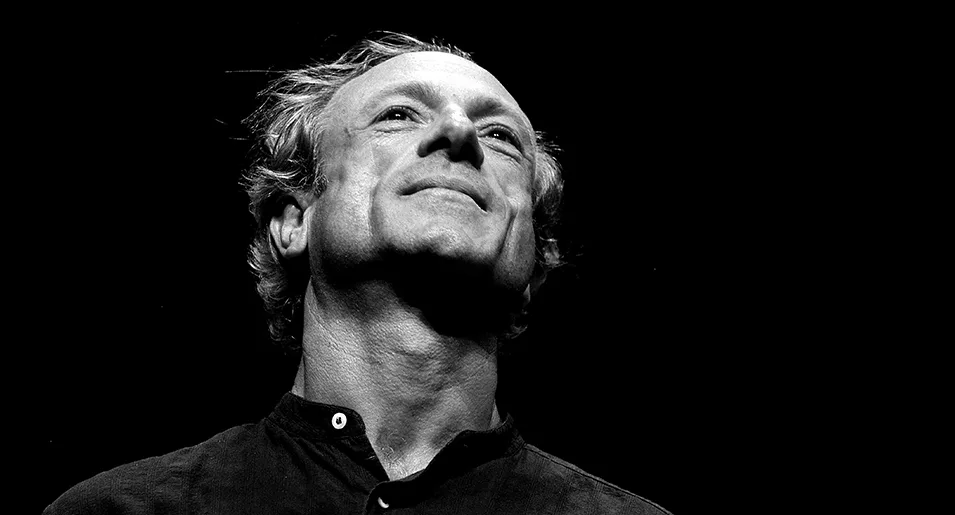
On May 30, Pino de Vittorio—the renowned Italian actor and singer—arrives at Paliesius Manor. Together with three fellow musicians, he will perform the program “Le Tarantelle del Rimorso,” sharing traditional songs and music from the Apulia region in Southern Italy.
The artist was born in the Apulian town of Leporano (Taranto), a place closely tied to the tarantella—a frenzied dance once believed to heal the bite of a tarantula. Pino de Vittorio has dedicated much of his time to reviving the musical traditions of this region; he has founded several companies, traveled the world with his performances, and appeared in such renowned spaces as the “San Carlo” theater and the “Champs Elyseés” in Paris. Together with other musicians, he has released more than 40 albums, presenting often-overlooked historical music and interpreting almost entirely forgotten Neapolitan cantatas.
As we await the concert, we invite you to enjoy an exclusive conversation with the artist.
More about the concert: 05.30 | Pino De Vittorio (Italy)
Source: LRT.LT
– How did you start singing?
My family always had a passion for music—from my grandfather, who used to play serenades for me, to my father, who performed in an amateur band. I had no formal education myself, but I had good intonation and a natural musicality. During my university years, I started singing in the streets of Florence with a group of friends, purely for the joy of it. Later, I left my studies so that I could work professionally in music and theater.
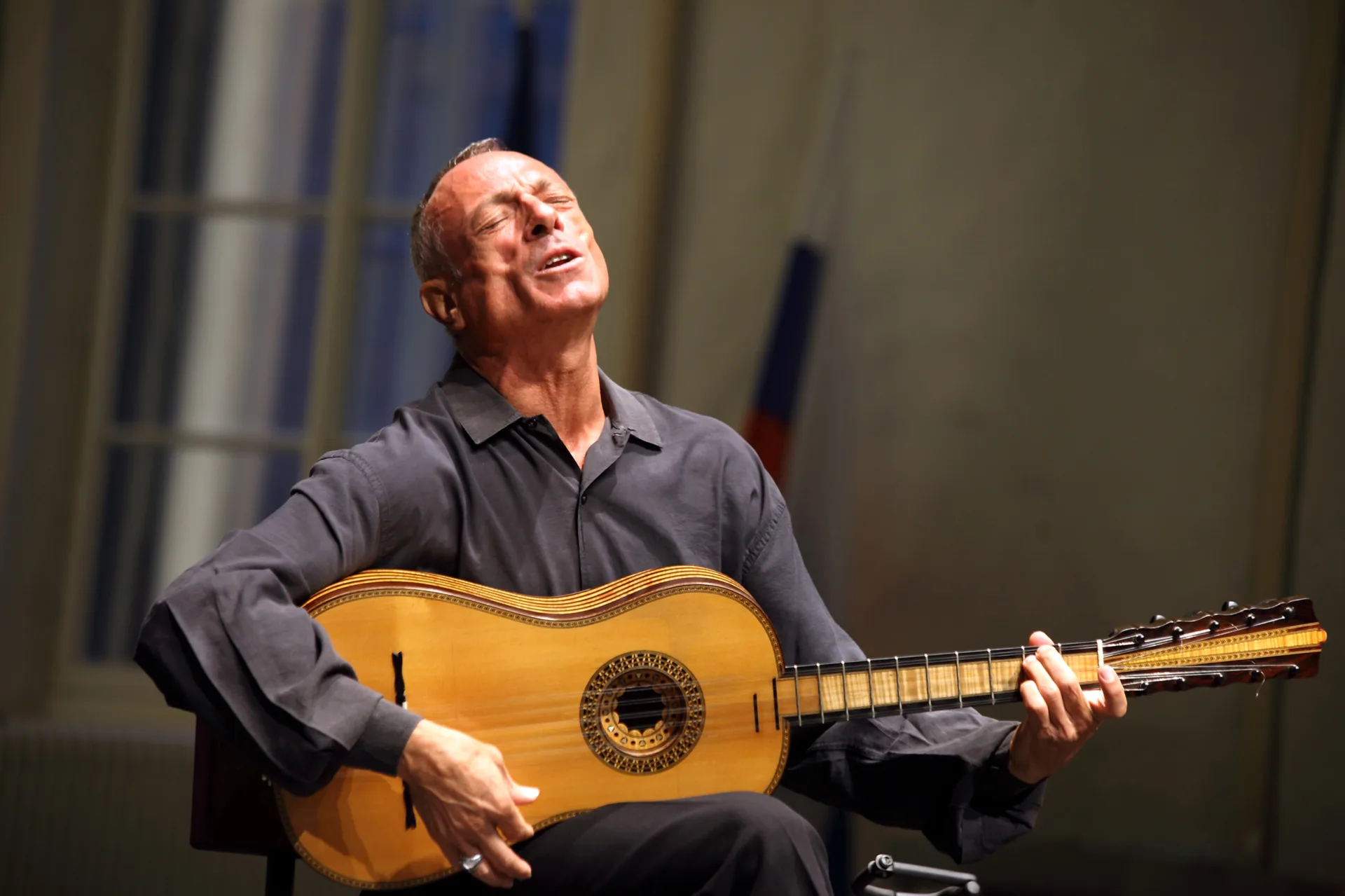
– You are not only a singer but also an actor, and you play the “chitarra battente” guitar. How do these three art forms complement one another in your artistic work?
Even during my very first stage performance, my role required me to sing, dance, and act! I also learned to accompany myself on the “chitarra battente,” and to play the drums and castanets. These skills have undoubtedly contributed to my versatility as an artist, not only in concerts but also in opera.
– Your musical career began with an effort to restore Apulian traditions—the music of this region will also sound at Paliesius Manor. Tell us about your connection to the music of Apulia.
Yes, I began my career by exploring and rediscovering the musical and ritual heritage of my native Apulia. I am deeply attached to my homeland and to my musical and emotional roots. In my childhood, I would listen to the voices of my grandparents and aunts as they gathered the harvest in the vineyards, fig orchards, and olive groves. It fascinated me beyond words—I guard these memories as my most precious treasure.
– In your opinion, what is the place of traditional music in the modern world?
The value of traditional music in the modern world is immense. This music reminds us of who we were and where we came from—it unites all people.
– What are the greatest challenges you face in your career?
Singers certainly experience many challenges. First and foremost, you must take care of your vocal cords, and on top of that, long journeys are very exhausting. However, with a bit of talent and a drop of luck, the work finds you on its own.
– At Paliesius Manor, you will perform alongside three musicians: Marcello Vitale on classical and “battente” guitars, Leonardo Massa playing the colascione (It. calascione), and percussionist Gabriele Miracle. Tell us about your collaboration.
I have collaborated with these musicians for many years, especially with the guitarist Marcello Vitale. They know this repertoire perfectly, and together we have recorded several albums. We share not only an excellent musical connection but also a very strong human bond.
– What are your future plans?
Currently, I am planning future concerts with this program, collaborations with other ensembles, and different repertoire. This autumn, a small contemporary opera, “Arianne en Vie,” is also scheduled with the ensemble “Dialogos”.
– Perhaps you would like to share a message with the audience waiting for you at Paliesius Manor?
I cannot wait to perform at Paliesius Manor and, through our music and traditions, to gift a little sun and the magic of Southern Italy! I believe our meeting will be a joyful and warm one.