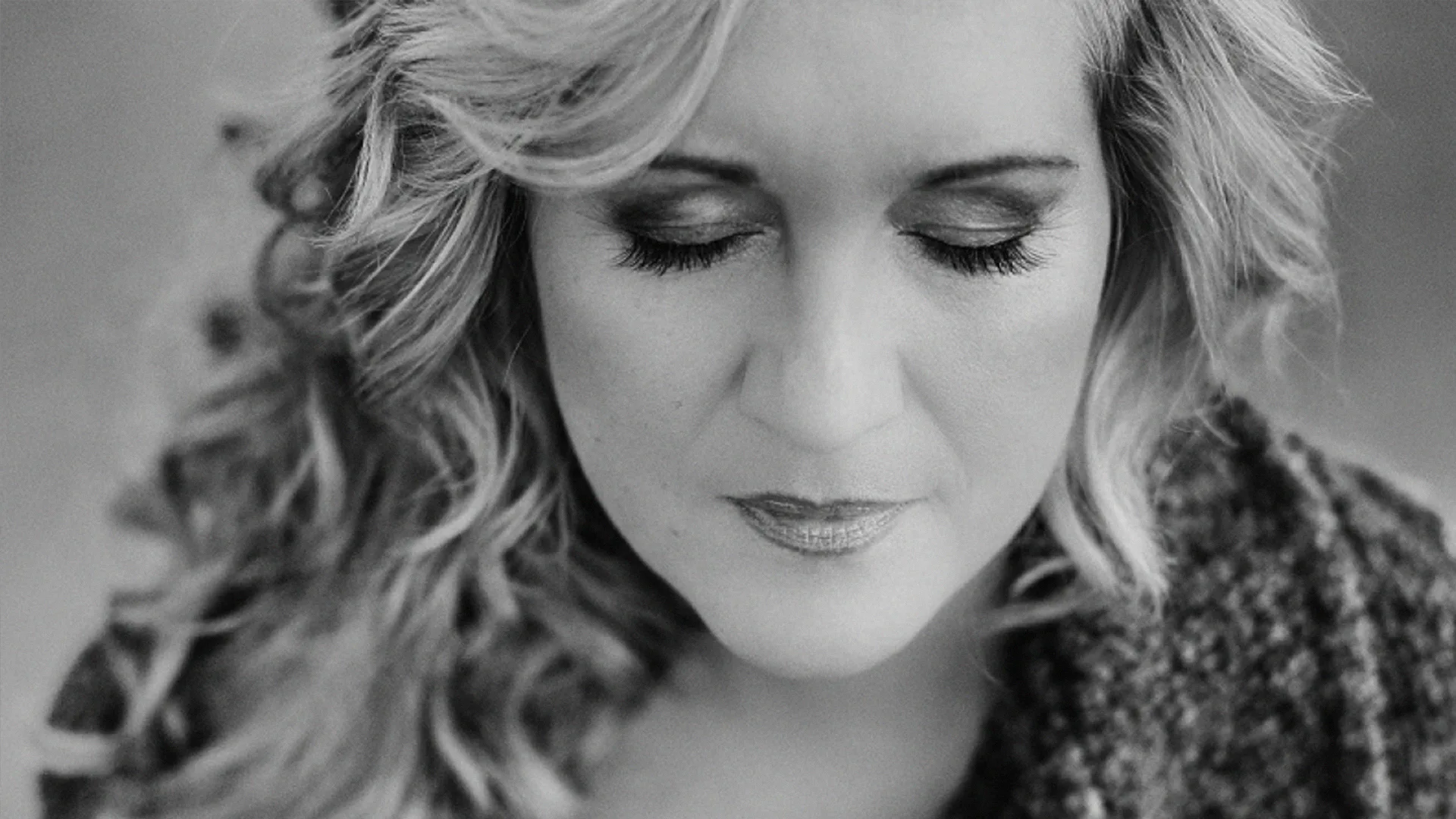
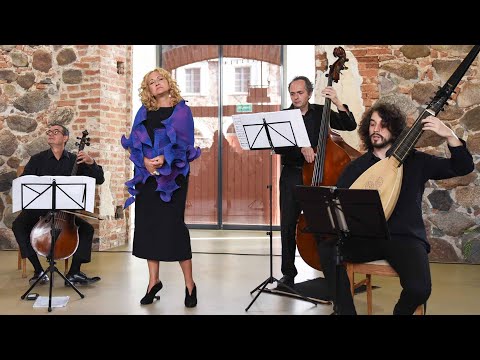
The German Baroque opera virtuoso Simone Kermes returns to the “Pasaga” concert hall, renowned for its exceptional acoustics!
A coloratura soprano with an exceptionally unique vocal timbre, Simone Kermes could boast of a multitude of prestigious awards—the Bach Prize, “Echo Klassik” awards, the Felix Mendelssohn Bartholdy Prize, and more. Her latest album holds the number two spot on the German classical music sales charts. Composers write arias specifically for her voice. World-renowned opera houses compete for her. And yet, the singer insists that her greatest reward is not the laurels, but rather each individual performance and the captivated hearts of her listeners.
In her early years, S. Kermes learned the secrets of song from one of the finest vocal instructors, Helga Forner, but over time, she realized the need to search for her own authenticity. She believes that mastering technique is crucial at the beginning of a career, but later, one must learn to break the rules and discover a distinctive vocal sound that leaves no one indifferent. The singer notes that this is the most essential task for any performer, whether in opera or pop music.
Today, S. Kermes cannot imagine her life without Baroque music. In her view, Baroque was the pop music of its era, holding the very roots of our understanding of sound and structure. The artist asserts that once the intricacies of Baroque music are grasped, the works of composers like Mozart, Verdi, Rossini, Mahler, and Strauss fully reveal themselves. Furthermore, Baroque opera demands that a singer entirely unfold as a personality—one must surrender to every note and breathe life into it.
S. Kermes is celebrated not only for her unconventional vocal technique but also for her deeply energetic personality and distinctive sense of style. On stage, she is never afraid of eccentricity—striving to remain spontaneous and open to the most unexpected ideas in any given moment. The singer recalls one concert where she invited two audience members from the front row onto the stage and, to the sound of Baroque music, began dancing rock and roll with them. Such unscripted moments bring the performer immense joy and are received warmly even by critics.
“Will I die this time, or not?”—the artist admits that before stepping onto the stage, she often feels as though she is about to enter a gladiator arena with lions. Only when she begins to sing does a sense of calm wash over her. Enchanting her listeners remains a constant challenge for the singer; she evaluates her own work with a critical eye, pouring her absolute all into every piece.
For opera admirers in Lithuania, seeing this star soprano amidst the sanctuary of nature will be a rare and extraordinary occasion. S. Kermes’s last—and until now, only—appearance in Lithuania took place in the autumn of 2019, at Paliesius Manor.
Jarkko Riihimäki grew up in a world steeped in music. His parents were choir directors, so from a very young age, the future pianist attended concerts and rehearsals. At times, a piece of music he heard would deeply move little Jarkko, and the sound of the organ would give him goosebumps.
Naturally, J. Riihimäki began playing the piano early. He later graduated from the Sibelius Academy in Helsinki and further studied the art of piano in Berlin. The pianist holds a special affinity for accompanying singers. “You have to understand how the singer breathes. You have to breathe together,” he says. J. Riihimäki is also a music arranger and composer.
PROGRAM:
Antonio Vivaldi
Agitata da due venti – Arie der Costanza – La Griselda
Giovanni Bononcini
Ombra mai fu – Arie des Serse aus Serse
Claudio Monteverdi
Lamento della ninfa – Amor
Felix Mendelssohn Bartholdy
Andres Maienlied
Gruß
Hugo Wolf
Das verlassene Mägdelein
Begegnung
Gioacchino Rossini
La danza
Una voce poco fa – nach Themen von Rossini variiert von Jarkko Riihimäki –
Canzonetta spagnuola
Reynaldo Hahn
A Chloris
Gabriel Fauré
Prison
Leo Delibes
Les Filles de cadiz
Hommage an Berlin und Marlene Dietrich
Lilli Marleen
Sag mir wo die Blumen sind
Wenn ich mir was wünschen dürfte
Sting
Fields of Gold (arrang. J. Riihimäki)
Giovanni Bononcini
M`incateni e se mi sciogli
aus San Nicola di Bari
Lady Gaga – arr. J. Riihimäki
Pokerface


News