






Description
Programme
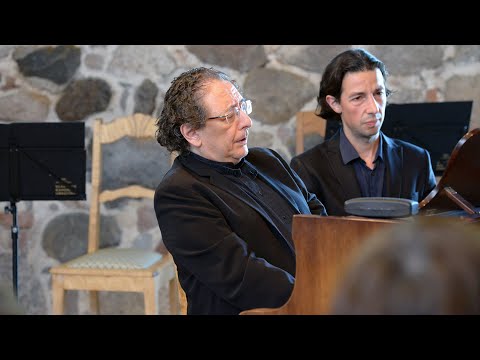
Joseph Haydn – Sonata-partita in G major, Hob. XVI:6
Joseph Haydn – Variations in F minor
F. Chopin – Fantasy, Op. 49
– – – – Intermission – – – –
F. Chopin – Nocturne in B major, Op. 62 No. 1
G. Fauré – Nocturne No. 2 in B major
F. Chopin – Nocturne in D-flat major, Op. 27 No. 2
G. Fauré – Nocturne No. 6 in D-flat major
F. Chopin – Scherzo No. 2 in B-flat minor, Op. 31
Recommendations for this concert
Dinner must be ordered in advance, no later than 24 hours before the concert.
We invite you to order accompanying beverages separately on site.
 Recently, the French Institute in Lithuania celebrated its 25th anniversary. I am delighted to have been able to observe the Institute’s life, both from afar and, at times, as a more active participant. Yet my friendship with French culture began, one might say, at birth. As a Lithuanian, born in the town of Užpaliai, my parents’ native tongue binds me to the French through the shared Latin alphabet: though the written Lithuanian language has 32 letters, and French has 26. My love for France blossomed with the fairy tales of Charles Perrault, followed by Alexandre Dumas’s novels “The Black Tulip” and “The Three Musketeers,” and Alphonse Daudet’s deeply emotional work, “Letters from My Windmill”… It is precisely this emotional depth—I imagine—that forms the second reason why I love the French and France.
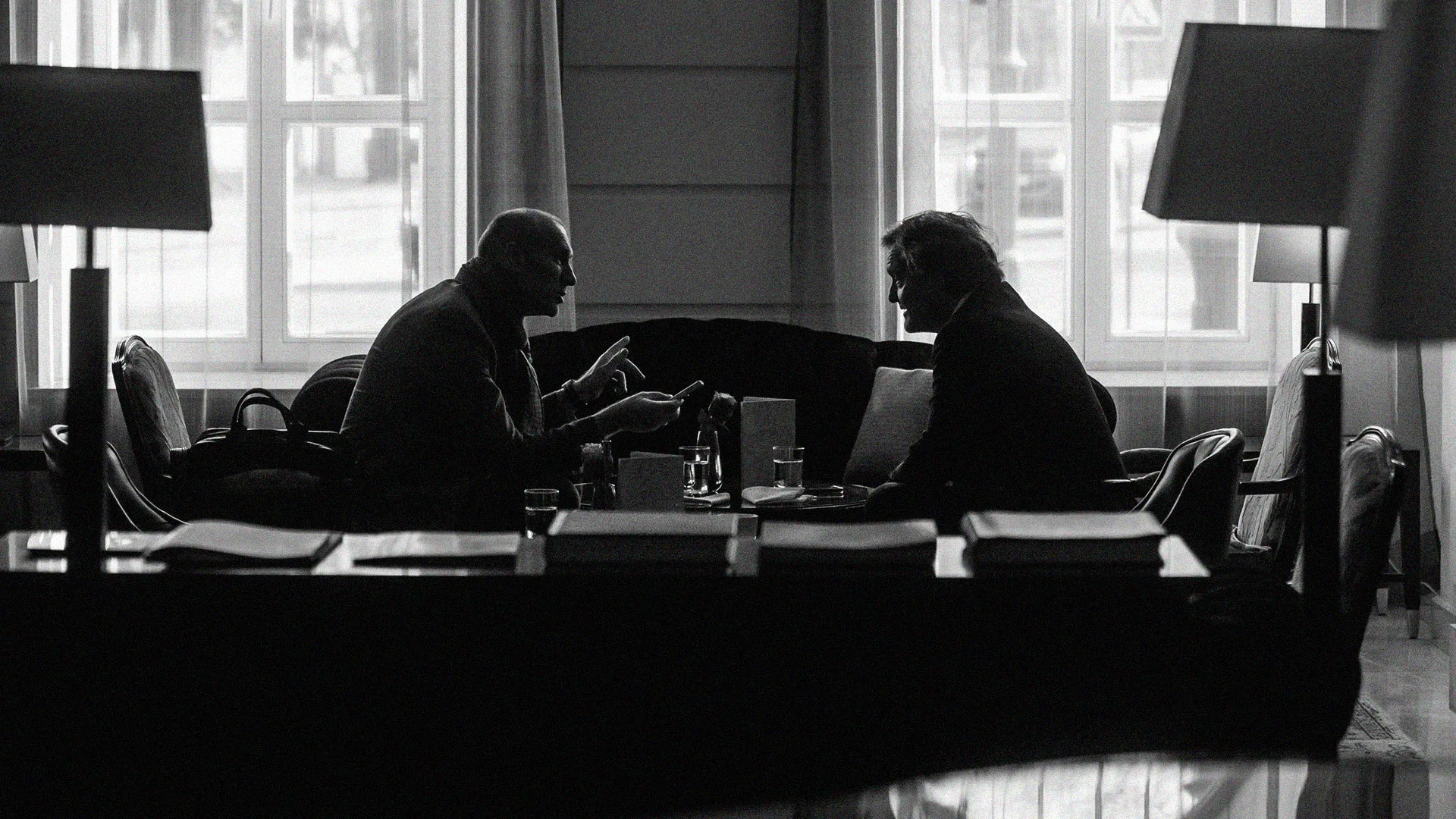
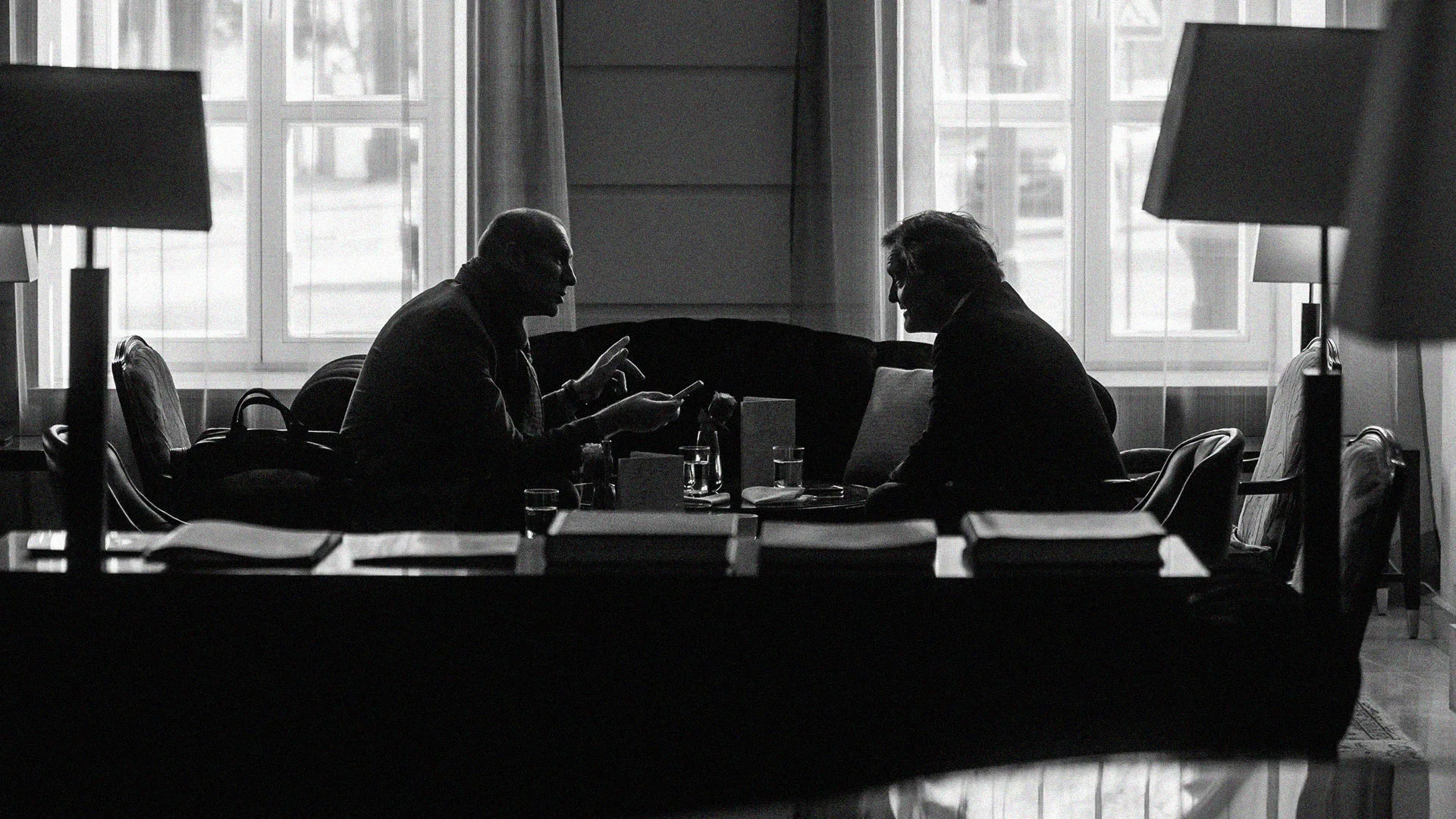
My first professional encounter with the Francophone world occurred just after Lithuania regained its Independence. During an international children’s theater festival in Panevėžys, as a third-year journalism student at the Vilnius University Faculty of Communication, I created a report and conducted an interview with Arlette, the director of a children’s theater troupe from the South of France. Over more than three decades, I have published over two hundred articles on Francophone topics in the Lithuanian media, half of which are interviews with prominent figures in French culture and art. This, of course, is mere statistics and accounting; it cannot truly illustrate an emotional bond with the world capital of culture, fashion, and gastronomy. Not even if I had counted how many glasses of champagne were tasted across various Francophone events, exhibition openings, book and film launches, perfume presentations, or the tête-à-tête meetings that ultimately blossomed into the “Tête-à-tête” event series organized by the French Institute.
I am profoundly grateful to the people I have met—especially my family and my colleagues from the editorial offices where I have worked—so that this exhibition of publications, where every page and every depicted encounter is a separate story in itself, might illustrate, even in some small measure, the strength of the cultural ties between Lithuania and France. These ties were truly forged at the dawn of diplomatic relations between our two countries, a century ago, in 1922. They are ties that were never completely severed or silenced by the Soviet occupation. Even during the authoritarian Moscow regime, amidst the Cold War, we could occasionally see a French film, hear the voices of Mireille Mathieu or Joe Dassin, and read François Rabelais, Jean-Jacques Rousseau, Voltaire, and many 19th-century classics. And today, happily, we can experience virtually everything: from Marcel Proust and Albert Camus to Frédéric Beigbeder and Annie Ernaux; from the Lumière brothers to François Ozon; from Charles Aznavour to Aya Nakamura…
I would like to dedicate the exhibition “My France: 25 Years of Love” to the French language teachers of my hometown’s Užpaliai Gymnasium—Rena Šliogerienė and Kazimieras Kuliešius, who passed into Eternity many years ago.
Cordially yours –
Valdas Puteikis, journalist
The exhibition will run until September 20, 2026.
The Paliesius Manor shop Wild Geese (Laukinės Žąsys) has thrown its doors wide open and eagerly awaits visitors.
Here, you will find items that reflect the aesthetics and ideas of the Manor: designer clothing, perfumes, jewelry, carpets, tableware, spices, and other curiosities. Each holds a special story!
Take a look around our online shop.
The bakery nestled within Paliesius Manor is not large, but everything here is made with genuine care. We source flour for our pastries, cakes, and bread from local farmers, striving to use as many high-quality local products as possible while honoring authentic recipes. Our baked goods will delight even the greatest sweet tooth and the most discerning palate.
Trains to Ignalina from Vilnius (and other cities) run several times a day, offering a comfortable and eco-friendly journey.
You can find ticket prices and schedules HERE
We can arrange a comfortable journey from Ignalina to Paliesius Manor and back.
Contact us: email info@paliesiausdvaras.lt, tel.: +370 626 82 760, and we will help you reach Paliesius Manor!
P.S. For transfer services, please contact us no later than 3 business days prior to your arrival date.
News