

Source: 7MD.LT
Author: Laima Slepkovaitė
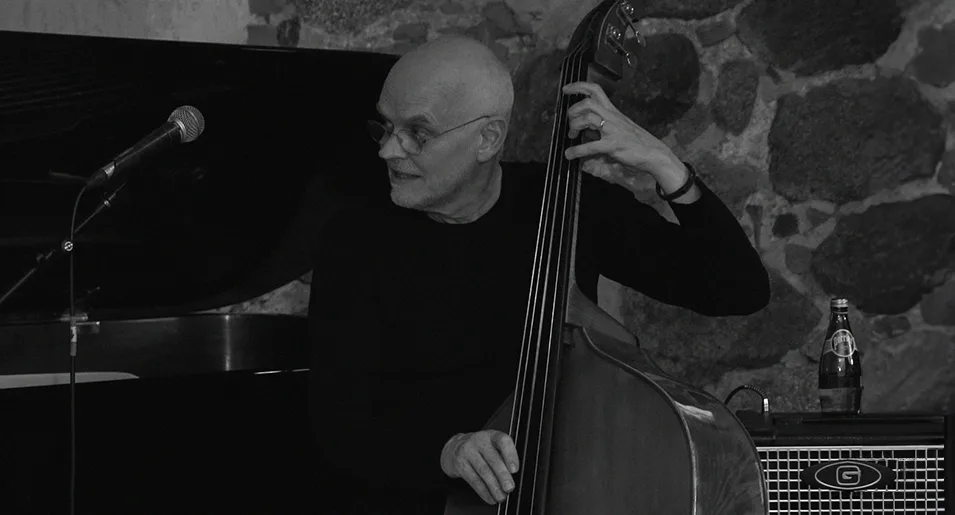
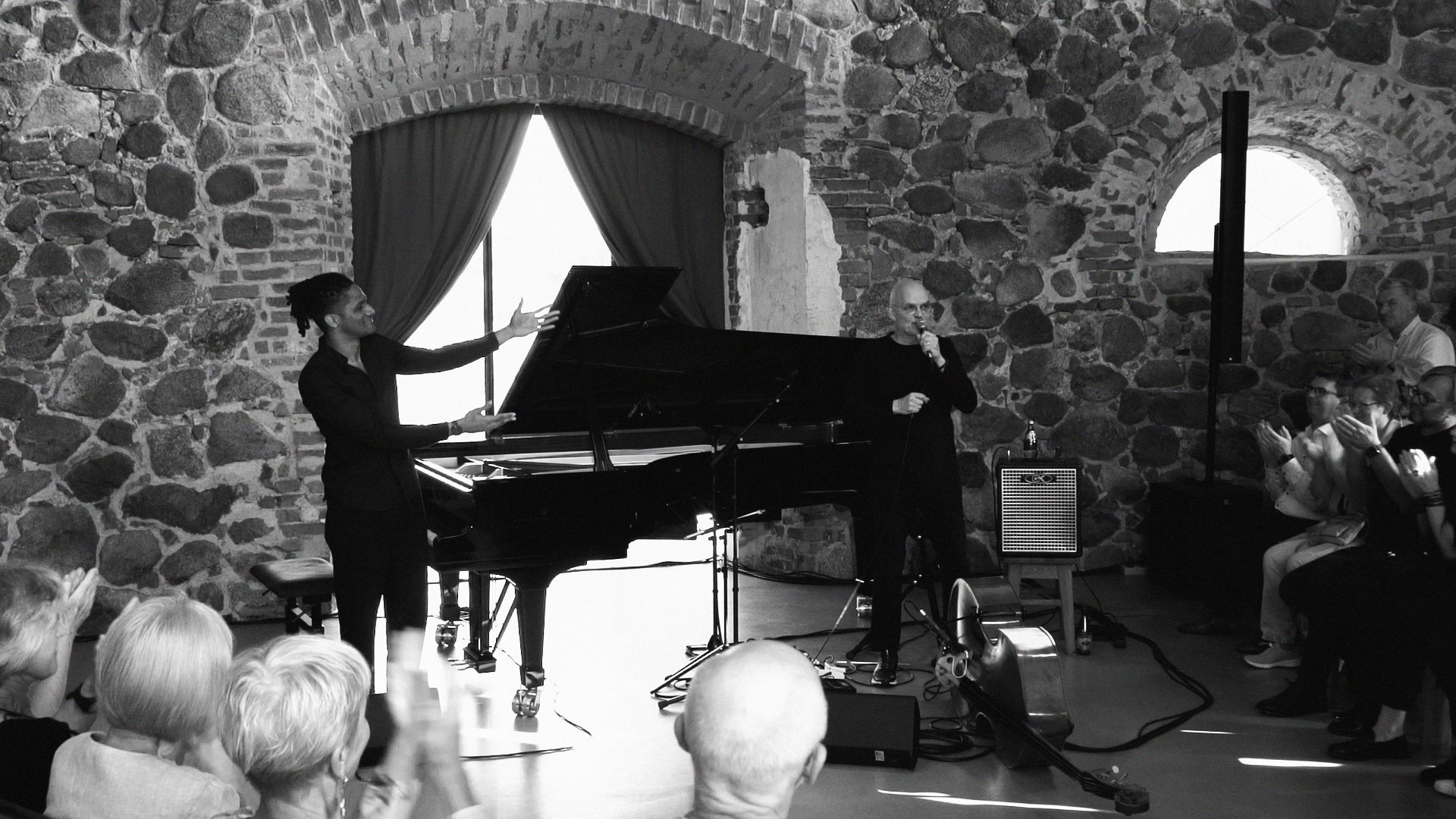 There are certain enchanted places that simply, every single time, set the stage for a perfect musical experience. Paliesius Manor has become one of these spaces for me. The surrounding nature is pure and welcoming, the architectural forms cultivate a highly favorable acoustics, and the audience that gathers is attentive and receptive, undisturbed by a single stray cough—united in bated breath, immersed in the sounds, and erupting into thunderous ovations when the moment of gratitude arrives. Of course, this magic works only because the music heard here is extraordinary. On June 8, this chamber hall welcomed Swedish jazz double bass legend Lars Danielsson and a rising star from Martinique, pianist Grégory Privat.
Both musicians are quite well known to Lithuanian audiences. Danielsson has performed repeatedly at jazz festivals, played at the National Philharmonic with Vytautas Sondeckis, and even produced an album by Egidijus Buožis. Prior to this visit, Privat had participated in the Vilnius Festival and played twice at “Vilnius Mama Jazz”—both in Lars Danielsson’s quartet “Liberetto” and with a solo program.
Their duo is like a scaled-down, more compact version of “Liberetto”: they performed the very same compositions intended for a quartet or quintet, captured on the albums “Cloudland” (ACT, 2021), “Liberetto II” (ACT, 2014), and “Liberetto III” (ACT, 2017). These pieces captivate with their engaging, melisma-adorned melodies bearing that unmistakable Lars-esque imprint, alongside drawing rhythms that provide wondrous material for improvisation. The impressionistic, subtle “Nikita’s Dream,” the Spanish-hued “Fifth Grade,” the Nordic meditation “Sacred Mind,” the vibrantly optimistic “Lviv” (which over the past two years has become an unofficial anthem of support for Ukraine at their concerts), the intricate “Passacaglia” inspired by Johann Sebastian Bach’s polyphony, and the Middle Eastern-touched “Desert of Catanga”—all of these vivid, characterful compositions, performed here as a duo, lost none of their grandeur. We might call it simply a recoloring of the orchestration, one that grants an opportunity to know the musicians’ mastery even more intimately.
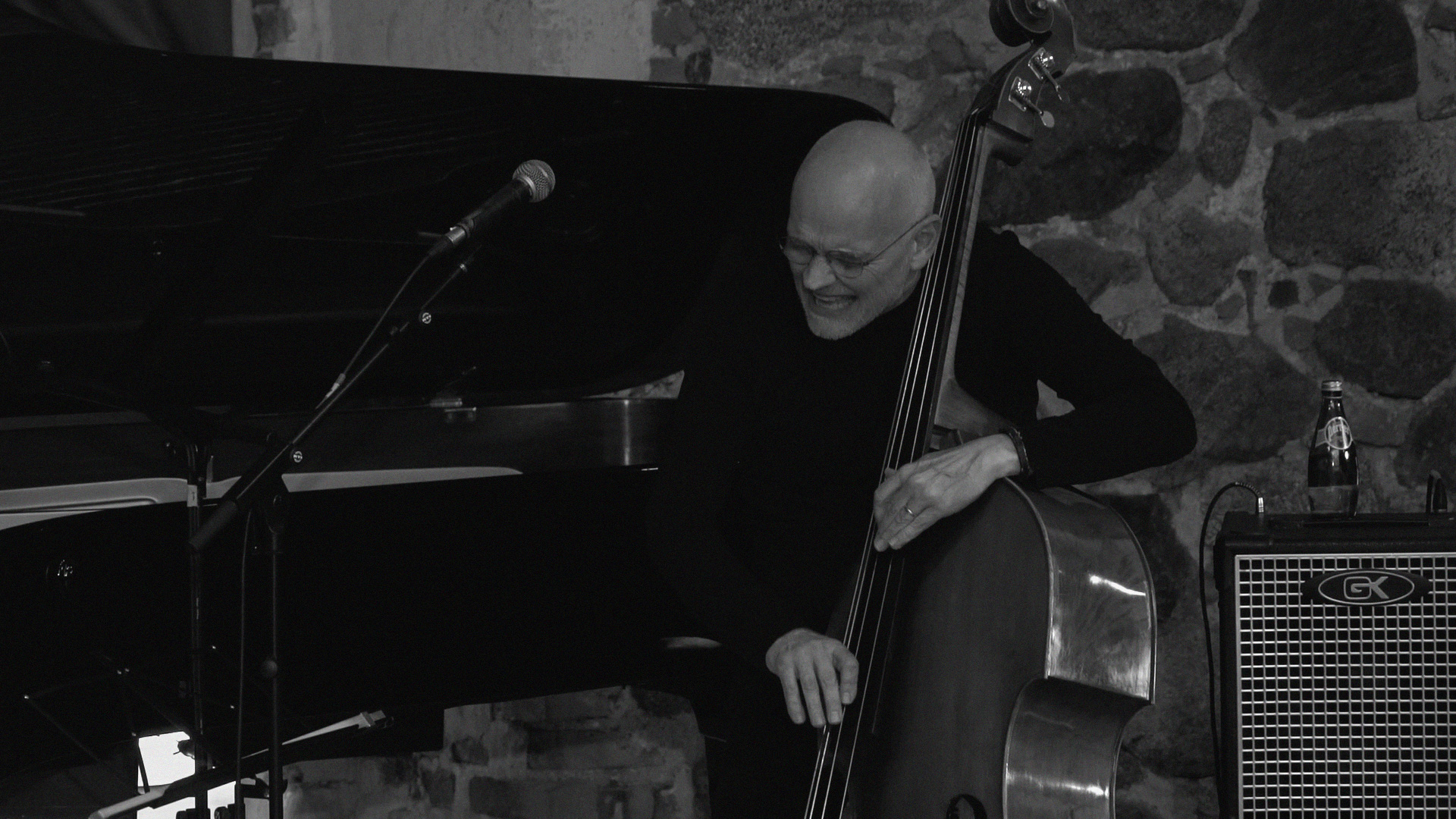
Privat’s pianistic virtues were perfectly evident during his previous visits to Lithuania, but this time, the ear was particularly drawn to his superb layering of dynamic gradations, his creative pedaling, his beautiful execution of fine details (which never felt overstated), and an exceptionally spirited revelation of the piano’s percussive qualities (who else was to do it, in the absence of a drummer?). The vast, mystical spaces of harmony conjured by Danielsson’s double bass are no longer a source of surprise, but simply of endless admiration. Performing a solo of his beloved and cherished Joni Mitchell song “Both Sides Now,” recalled at nearly every concert, he wove fragile variations, lifting recognizable melodic motifs from within the intricate passages… Grégory simply had to reply with his own long solo improvisation, which revealed itself to be an introduction to “Cloudlands.”
Altogether, this concert was filled with spontaneous musical conversation, mutual provocation, and a sense of shared musical winking. Though the structures of Danielsson’s compositions are relatively safe, the duo format offers an opportunity to forge a more intense dialogue and take deeper risks. That risk—a drop of adrenaline, the persistent knowledge that everything could collapse at any moment—is a wondrous spice in jazz, one that proved exceptionally aromatic here, offering rich, delightfully provocative overtones in its aftertaste.
Such cozy, intimate experiences of music-making are the unique privilege of enchanted spaces. When history, landscape, and the human will to create something beautiful flow together, the magic works!